A well-designed office space boosts productivity, enhances employee well-being, and reflects your company’s brand. However, selecting the right materials is critical—durability, aesthetics, sustainability, and cost must all be balanced.
This guide covers key factors to consider when choosing office renovation materials, along with top recommendations for flooring, walls, ceilings, and furniture.
Key Considerations for Office Renovation Materials
A. Durability & Maintenance
- High-traffic areas(e.g., lobbies, hallways) need scratch-resistant flooring (e.g., vinyl plank, porcelain tile).
- Desks & workstationsshould use laminate or solid woodfor longevity.
- Easy-to-clean surfaces(e.g., acrylic wall paint, stain-resistant carpets) reduce upkeep costs.
B. Acoustics & Noise Control
- Soundproofing solutions:
- Acoustic ceiling tiles(mineral fiber or PET panels).
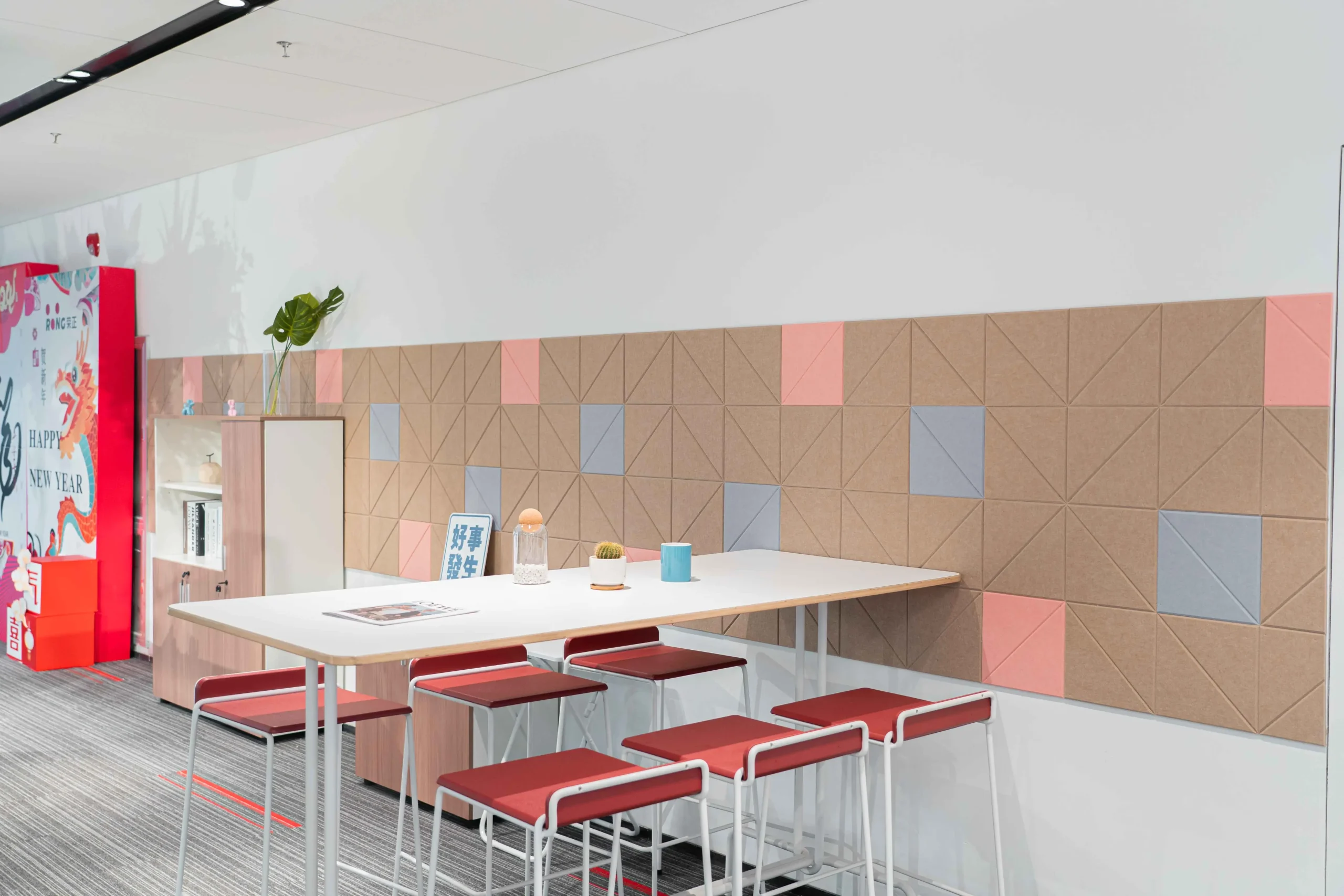
- Fabric-wrapped wall panels(for meeting rooms).
- Carpet tiles(reduce footstep noise in open offices).
C. Sustainability & Health
- Low-VOC paints & adhesives(improve indoor air quality).
- Recycled materials(e.g., PET acoustic panels, reclaimed wood).
D. Aesthetics & Brand Image
- Modern offices: Sleek glass partitions, polished concrete floors.
- Creative spaces: Bold colored drywall, modular furniture.
- Corporate offices: Neutral wood finishes, textured wall panels.
E. Budget & ROI
- Cost-effective options:
- Vinyl flooring (cheaper than hardwood, durable).
- Modular furniture(flexible, reusable).
- Long-term investments:
- Raised access flooring(easy cable management).
- LED lighting(energy-efficient, reduces bills).
Best Materials for Each Office Area
A. Flooring
| Material | Best For | Pros | Cons |
| Carpet Tiles | Open offices, meeting rooms | Noise reduction, comfort | Stains easily, needs cleaning |
| Vinyl Plank (LVT) | High-traffic areas | Waterproof, durable | Less premium feel |
| Polished Concrete | Industrial-style offices | Low maintenance, modern | Hard, cold underfoot |
| Engineered Wood | Executive offices | Elegant, warm | Expensive, scratches |
B. Walls & Partitions
- Drywall(painted or wallpapered) – Budget-friendly, customizable.
- Glass partitions– Enhance natural light, modern look.
- Fabric acoustic panels– Reduce echo in conference rooms.
C. Ceilings
- Suspended acoustic tiles– Improve sound absorption.
- Exposed ceilings(industrial style) – Lower cost, urban aesthetic.
D. Furniture
- Modular workstations– Adaptable for hybrid offices.
- Ergonomic chairs– Memory foam lumbar support for comfort.
- Standing desks– Promote employee health.
Common Mistakes to Avoid
❌ Ignoring acoustics → Noisy offices reduce focus.
❌ Choosing cheap, low-quality materials → Frequent repairs cost more long-term.
❌ Overlooking sustainability – Employees prefer eco-friendly workplaces.
Final Checklist Before Buying
✔ Test samples (flooring, paint colors under office lighting).
✔ Compare warranties (especially for flooring and furniture).
✔ Consult an interior designer (for space optimization).
Conclusion
The right office materials improve productivity, reduce costs, and enhance brand perception. Prioritize durability, acoustics, and sustainability while staying within budget.
Need help selecting materials? Contact us for a free consultation!